News
On March 16, Vladimir Putin signed Decree No. 159, which amends two existing documents on Russian companies’ right to withhold corporate information from the public domain. The decree entered into force on the day it was signed.
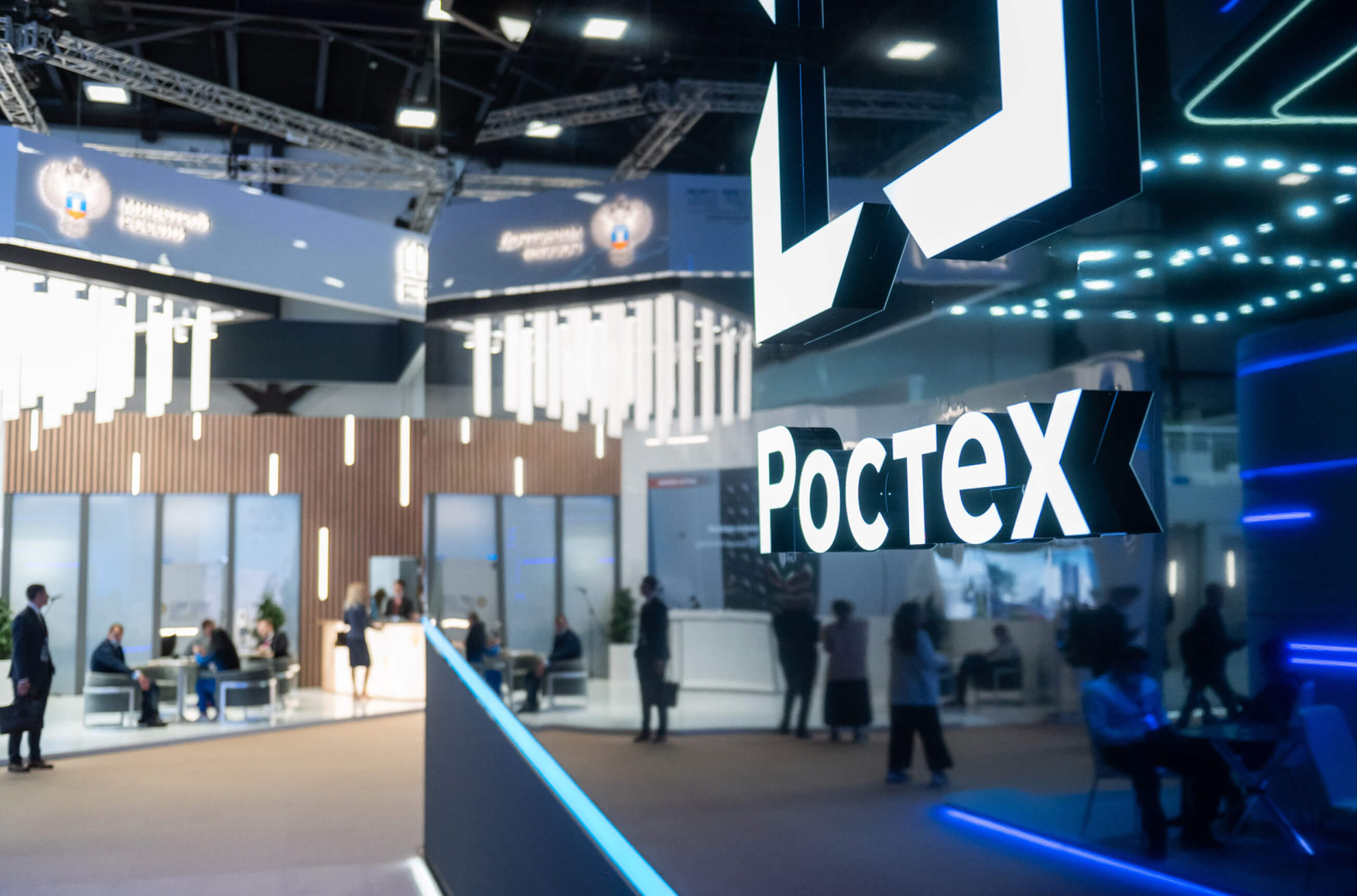
The move means the Russian government’s secrecy regime now formally applies to state corporations, which enjoy a unique status under the law. Russian state corporations are not business entities (as opposed to joint-stock or limited liability companies), and their obligation to disclose the details of their operations falls not under the auspices of corporate law, but of Russia’s law governing nonprofit organizations and of the special statutes governing each specific state corporation. For example, state-owned defense conglomerate Rostec is explicitly given the right to decide for itself what portion of its mandatory annual report to publish on its website.
The second change reduces the reporting requirements for companies listed as “natural monopolies.” This means that firms including state gas giant Gazprom, oil pipeline company Transneft, and railway company Russian Railways will now also be able to withhold regulatory information that they were previously required to publish.
According to a recent investigation by The Insider, a secret Russian intelligence unit known as Center 795, created for killings and kidnappings abroad, is based at Patriot Park in the town of Kubinka outside Moscow, where it uses the infrastructure of the Kalashnikov Concern, which is part of Rostec. Its creation and financing are linked to Rostec CEO Sergei Chemezov, a close personal associate of Putin’s dating back to their time as KGB officers in Dresden in the 1980s.
Putin introduced the regime of restricted disclosure of corporate reporting in November 2023. It initially covered 46 companies, but the list was repeatedly expanded and now includes about 120 entities.